


Health Regulatory Authority (ERS) - Portugal
Nuno Silva
Health and social care services are essential pillars for the development and cohesion of modern societies. Their importance goes beyond a merely functional dimension, standing as guarantors of the protection of users’ fundamental rights, the promotion of quality in care provision, and the safeguarding of public trust in these services. In this context, the role of regulatory authorities is decisive, ensuring that the delivery of care takes place with rigor, transparency, and in line with the highest standards of quality and safety.
However, a central challenge remains: how should regulatory authorities guide their actions in order to achieve these objectives effectively? One of the greatest difficulties in this field lies in defining and applying instruments that allow for the objective measurement of the efficiency and effectiveness of regulatory intervention. This difficulty is particularly evident in sectors where multiple actors share responsibilities and where various factors simultaneously influence both the quality of care provision and the protection of users’ interests and rights.
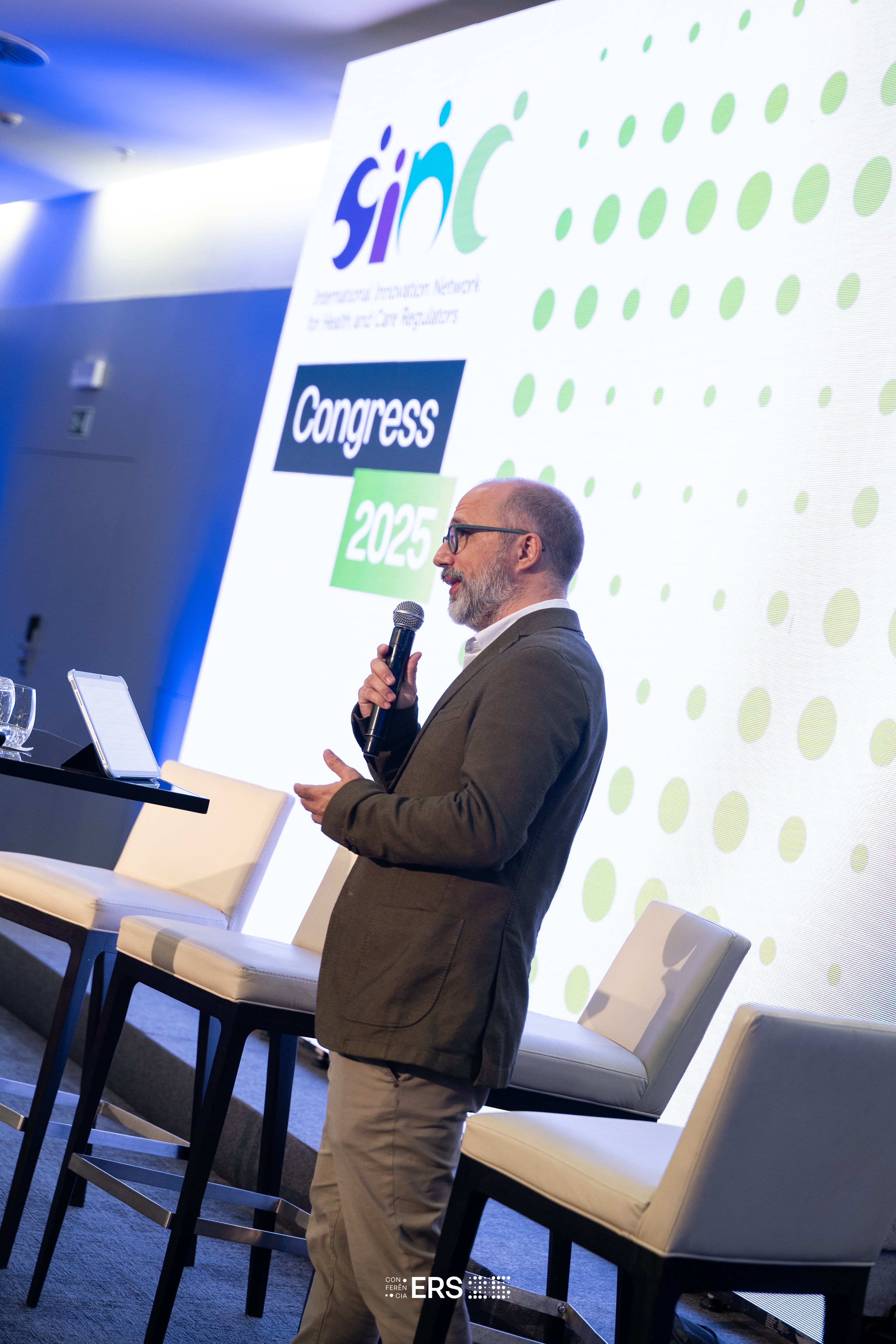
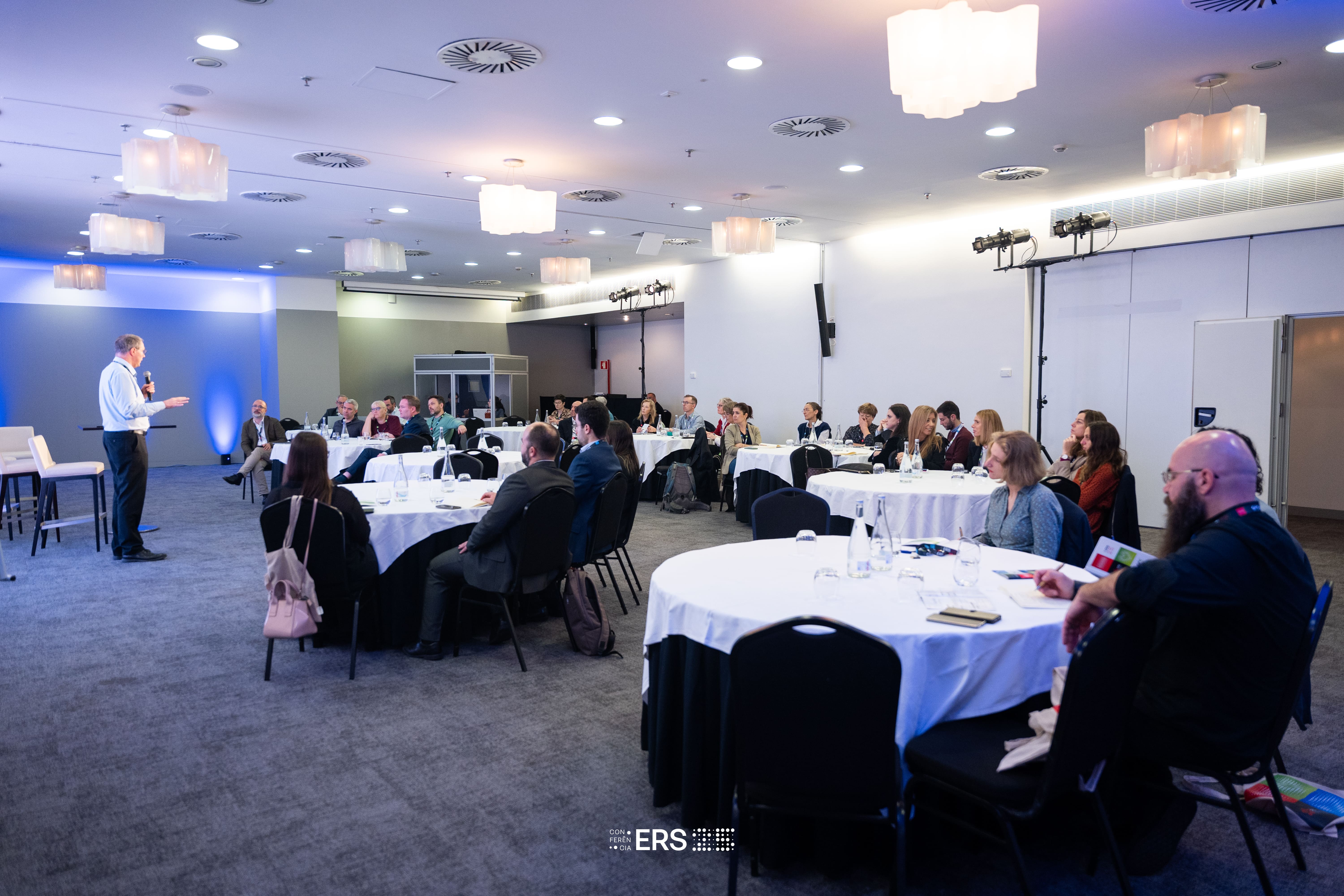
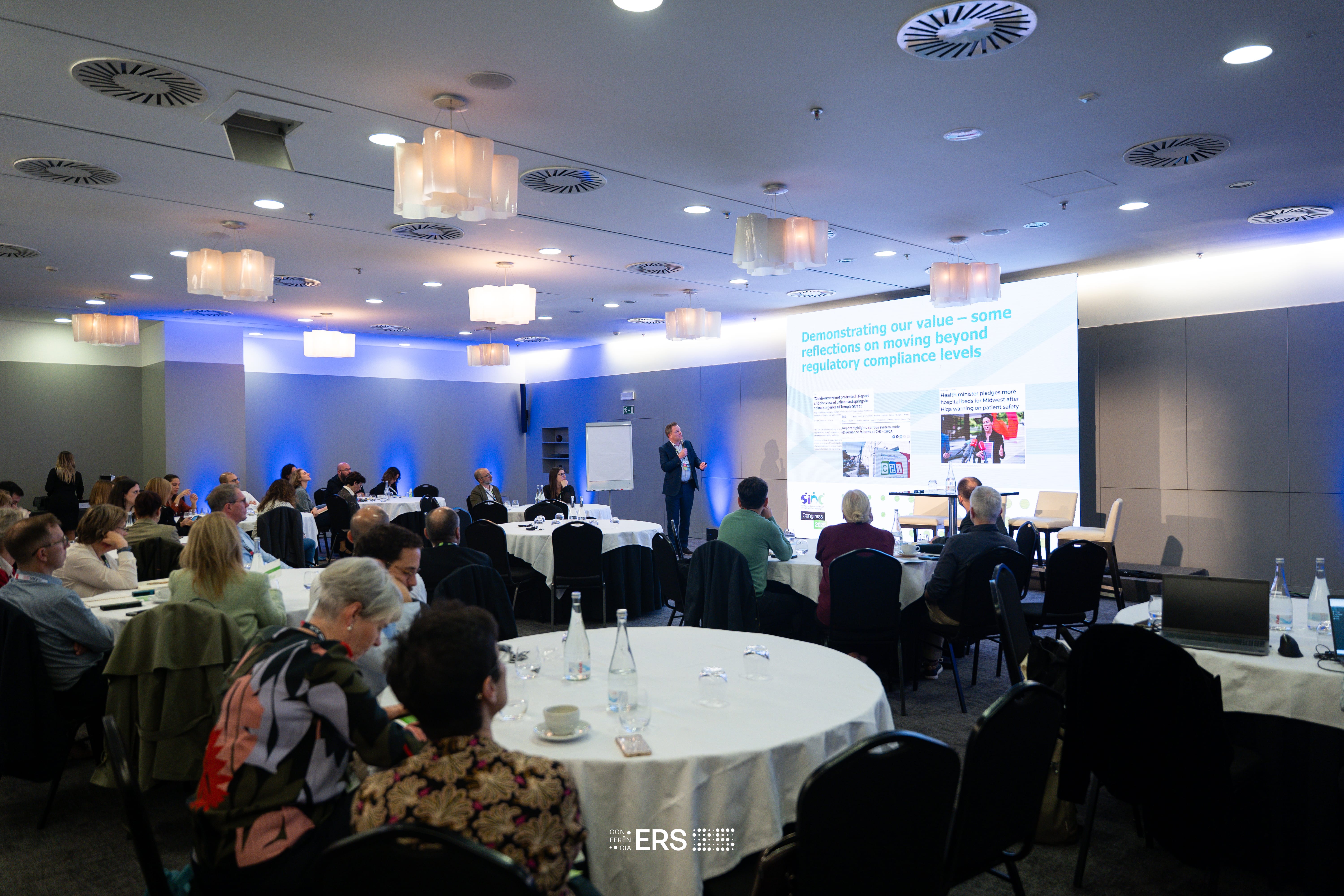
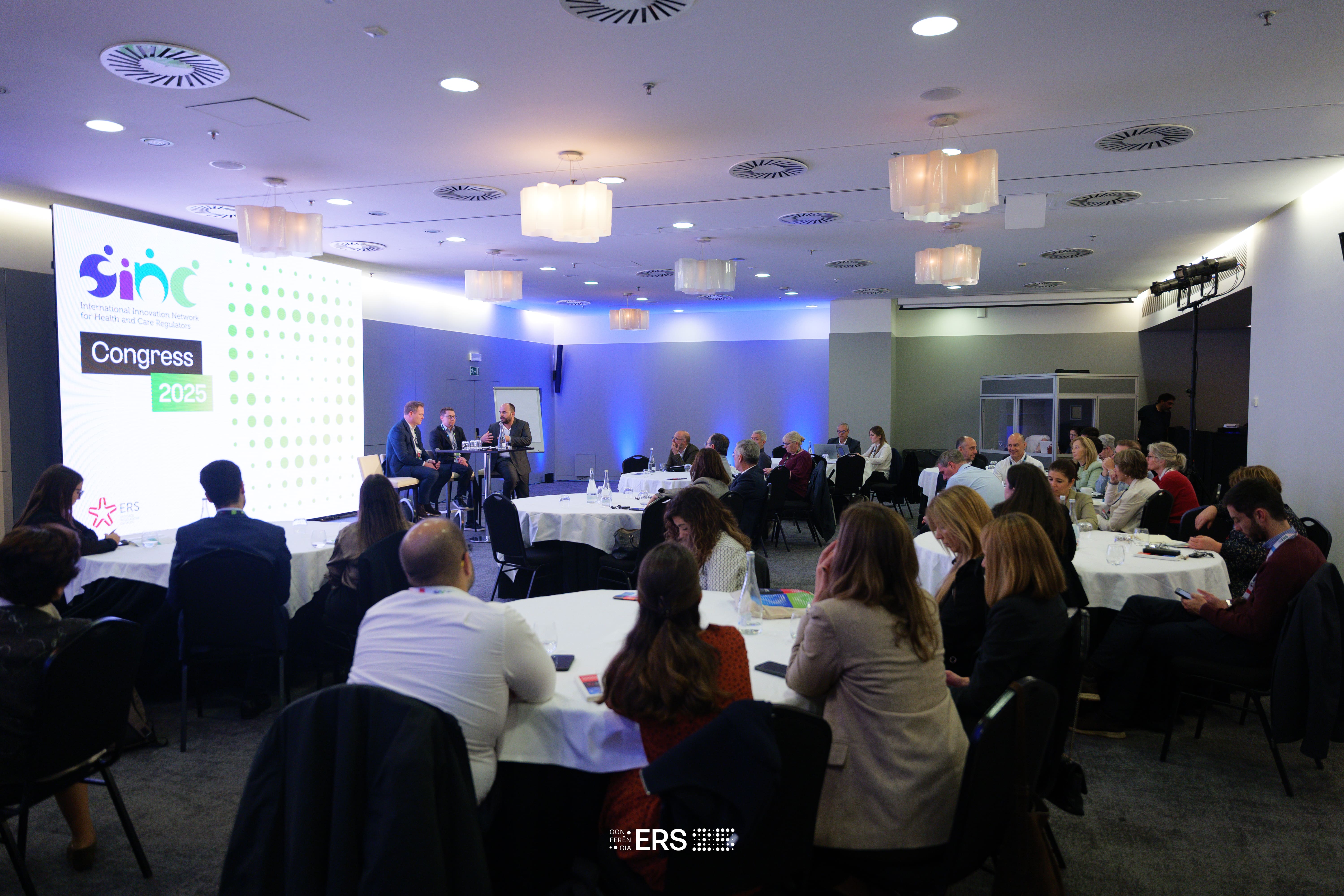
It is within this framework that the SINC 2025 Congress takes place, presenting itself as a forum for reflection and exchange of experiences, dedicated to identifying best regulatory practices. Its purpose is twofold: on the one hand, to promote the quality and safety of health and social care services; and on the other, to reinforce the protection of the legitimate rights of the citizens who rely on them.
Throughout the sessions, special attention will be given not only to regulatory intervention methodologies, but also to the internal organization of supervisory bodies, recognizing that more effective external regulation equally requires solid structures and consistent processes within.
Methodologies that strengthen the effectiveness and impact of regulatory intervention will therefore be discussed, addressing themes such as:
- Improving the quality of health and social care, through continuous improvement programs and analysis of inspectors’ experiences;
- Integrating the users’ perspective, with emphasis on methodologies for collecting and analyzing users’ experience and satisfaction, as well as tools for participation adapted to different contexts;
- Promoting safety cultures within healthcare organizations;
- Regulating emerging areas, namely the supervision of aesthetic medicine practices;
- Monitoring the hospital sector, including studies on maternity services, local health units, waiting times, and hospital competition;
- Users’ rights, with studies on literacy levels and practices to promote their dissemination and understanding;
- Institutional challenges of regulation.
Thus, this congress represents an opportunity to deepen cooperation among regulators, to share knowledge and experiences, and, above all, to affirm regulation as a central instrument in building high-quality health and social care systems that are oriented towards the protection of users’ rights.
The 2025 SINC Congress is organized by the Portuguese Health Regulatory Authority (ERS), which is responsible for regulating, supervising, and promoting and safeguarding competition in healthcare-related economic activities across the private, public, cooperative, and social sectors in Portugal.
The responsibilities of ERS include supervising the activity and operation of healthcare providers with regard to:
a) Compliance with the requirements for carrying out their activity and operations, including the licensing of healthcare establishments in accordance with the law;
b) Guaranteeing rights relating to access to healthcare, the provision of quality healthcare, as well as other patient rights;
c) Ensuring the legality and transparency of economic relations between the various operators, funding entities, and patients.
Nuno Silva
Graduated in Law from the Faculty of Law (University of Coimbra), with a postgraduate degree in Urban Planning, Land Use and Environmental Law from the Center for Urban Planning, Land Use, and Environmental Law Studies of the same University.
He also attended various training courses and brief postgraduate courses in medical law, at the Center for Biomedical Law of the aforementioned Faculty of Law.
He has worked as a lawyer, mainly in human rights and medical law, was a member of a health ethics committee, integrated legal offices of several hospitals and is responsible for the course of medical law in the Healthcare Management postgraduate course from the Polytechnic Institute of Porto.
He has been working as a senior regulation specialist at the Portuguese Health Regulatory Authority since 2014.
Care Inspectorate - Scotland
Aidan McCrory
The Care Inspectorate design and deliver Quality Improvement programmes across Scotland. These programmes can focus on specific topics, work geographically, and bring in local and national partners to support. Some of these programmes are funded by the Scottish Government with a specific focus and others are based on the intelligence we gather as an organisation. We also support internal quality improvement work. The Quality Improvement team use a referral system to assess and prioritise requests for support. The quality improvement team are small in size in comparison to our inspection colleagues. In this presentation I will share examples of how the Care Inspectorate receive, prioritise, and deliver Quality Improvement programmes across Scotland.
Aidan McCrory – Quality Improvement Manager – Care Inspectorate
My background is service delivery in social care. Later moving to a health care inspection role before leading national quality improvement programmes across Scotland. I currently lead the Quality Improvement Support Team in the Care Inspectorate which has a focus on adult social care, early learning and childcare improvement, Technology Enabled Care and digital, quality improvement capacity building, self-evaluation, service design, and appropriate adults’ work.
Health Information and Quality Authority (HIQA) - Ireland
Dr Paul Dunbar
Background
Regulation by an independent state authority is a common means by which governments seek to safeguard service users and ensure good quality health and social care services. Inspectors play a key role in this process as they work at the interface between regulator and regulatee. Our aim was to investigate the role played by inspectors in the implementation of care regulations in residential disability services in Ireland.
Methods
We conducted focus groups with inspection staff working for the social care regulator in Ireland. Participant recruitment was facilitated with the permission of the regulator. Twenty-two people participated over five focus group sessions that took place online. Thematic analysis was carried out on the interview data.
Results
Four parent themes were identified: overall views on the regulatory system; the importance of skill and strategy for the role of inspector; impediments to effective regulation and inspection; and, positive effects of regulation. While not directly responsible for implementing regulations in services, inspectors played a role by calling attention to poor practices, apportioning accountability at the appropriate level in regulated organisations, and behaving in a consultant-like fashion in support of service managers. There were barriers that complicated and inhibited their work such as resource constraints and bureaucracy. Their observation of improvements in service quality led them to conclude that regulation was an effective intervention, despite some flaws.
Conclusion
Inspectors had a clear sense of the part they play in terms of aiding the implementation effort in services. They shared the goals of managers: trying to improve the quality of services and the lives of those that use services. While there were barriers that impacted on the effectiveness of their work, most inspectors regarded regulation as a positive intervention and had first-hand experience of its impact.
Authors
Dr Paul Dunbar, Health Information and Quality Authority, Cork, Ireland.
Dr Laura Keyes, Centre for Implementation Research, University of Limerick, Cork, Ireland.
Prof John Brown, School of Public Health, University College Cork, Cork, Ireland.
Author CVs
Prof John Browne
Professor John Browne is a health services researcher interested in ways to improve the quality and safety of healthcare. After completing his PhD at Trinity College Dublin he worked at the Health Services Research Unit of the London School of Hygiene and Tropical Medicine (LSHTM) from 1998 to 2008, where he oversaw the development of the NHS Patient Reported Outcome Measures (PROMs) programme and the acute care clinical guidelines programme for the National Institute for Clinical Excellence. He was also the Principal Investigator on the Health Research Board funded 'SIREN' programme (Study of the Implementation of Reconfiguration on Urgent and Emergency Care Networks). He is a Senior Methods Editor at BMJ Quality & Safety.
Dr Laura Keyes
Dr Keyes is the Director of the multidisciplinary Centre for Implementation Research at the University of Limerick. There she leads a team dedicated to supporting implementation methodologies to improve the traction of evidence-based policy, programme and professional practices in routine public service delivery.
Dr Keyes has previously held academic roles in Manchester and Cambridge in the UK. Some of her key projects during this time included: Evaluation of the UK Childhood Obesity Policy, Informing the Introduction of the Sugar Sweetened Beverage tax in the UK, Enabling the Baka Community in Cameroon and, Community based Interventions to Address Food Security.
Dr Paul Dunbar
Paul Dunbar is a research and practice development manager with the Health Information and Quality Authority (HIQA) in Ireland. HIQA is the regulatory for health and social care services in Ireland. Dr Dunbar has worked for over a decade in regulation and has experience of inspecting nursing homes, disability services and hospitals. Since 2017 he has been engaged with regulatory research and has published several peer reviewed papers on this topic. Dr Dunbar’s work focuses on analyses of statutory notification (adverse event) data, and the implementation of regulatory requirements. His PhD focused on the implementation of social care regulations in residential disability services in Ireland.
French National Authority for Health (HAS) - France
Cécile Lagarde
Gathering and considering the views/perspective (experiences, and satisfaction) of users of social and healthcare services is an essential first step toward providing them with quality support. This approach ensures respectful, attentive, and compassionate care, thereby promoting users’ well-being and dignity.
On the one hand, expressing one’s opinion and preferences is a fundamental right, enshrined in numerous international conventions, including the Universal Declaration of Human Rights, as well as in various national legal standards. In France, this right is guaranteed for all, without any distinction or discrimination (based on age, health, financial resources, etc.), ensuring that one’s life situation do not hinder its exercise. This right therefore applies to all users of social and healthcare services.
On the other hand, gathering and considering users’ perspectives on the services provided is a guarantee of high-quality care. Scientific literature clearly demonstrates the numerous benefits of this approach for users, professionals, organizations and public policy stakeholders.
Regarding social services users (the elderly, protected children, people with disabilities, homeless people, etc.), and given their specificities, this approach requires appropriate tailored methods and ethical and professional principles.
The French National Authority for Health (Haute Autorité de Santé -HAS) is a public, scientific, and independent institution. It has developed a multi-year work program to support social services in collecting and considering users’ views. In particular, it has published a report outlining a key scientific report to co-constructing, together with users, meaningful and beneficial approaches for all stakeholders.
We propose to present the findings of this report and the methodology used to develop it, in partnership with users, experts by experience, professionals, and researchers.
Cecile Lagarde
PhD in Sociology
Head of mission at the French National Authority for Health (Haute Autorité de santé – HAS)
Leader of the ‘perspective of social service users’ programme
Formerly director of social institution and then of social work training.
Health and Youth Care Inspectorate - Netherlands
Sorien Kleefstra
In recent years, patient and public involvement is prominent on the policy agenda of the Dutch Health and Youth Care Inspectorate (DHYI). It offers an additional view on quality of care, increases legitimacy, empowers users and enhances the public trust in the regulator. It also fits into the current development of value driven regulation .
However, there are several challenges when involving users in supervision processes. In the past, some methods of user involvement have been less successful. Furthermore, in practice, inspectors often start the involvement process by choosing a method.
Learning from these experiences the DHYI developed a tool supporting inspectors to choose the most suitable methods for their involvement purposes. This participation guide is based on 4 topics, to be discussed on the forehand: the when, who, what, and weight of the involvement, consequently followed by the most suitable involvement method(s).
At the SINC congress we will go into some challenges of involving users, present this participation guide and explain how it can be used.
Dr. Sorien Kleefstra
Sorien has been working as senior advisor user involvement and participation in supervision within the Dutch Health and Youth care Inspectorate for over twelve years. Before that she was a researcher in healthcare and these experiences and her PhD thesis called ‘Hearing the patients voice as indicator of quality of care’ serve as bases for her current work field. When given the opportunity she co-authors or publishes scientific papers about this topic. She is also host of the SINC innovation team ‘user involvement and participation’.
Prof. Dr. Anne Margriet Pot
Strategic Advisor Long-Term Care, Dutch Health and Youth care Inspectorate, MoH; Endowed Professor Erasmus University Rotterdam; Extraordinary Professor North-West University South-Africa; co-chair Lancet commission Long-Term Care for Older Persons; President International Psychogeriatric Association; Advisor World Health Organization
Regulation and Quality Improvement Authority – Northern Ireland
Dr Leanne Morgan, RQIA’s Clinical Lead
Strengthening the assessment of safety culture, particularly around evidence of listening to patients and families, and evidence that staff feel safe to challenge each other and raise concerns and to “share the learning with practising clinicians
Background
RQIA published the Expert Review of Records of Deceased Patients (Neurology) in November 2022; RQIA had the privilege of engaging with families and hearing their testimonies, which raised significant concerns about how patients, families and staff experience culture within the Northern Ireland Health and Social Care (HSC) System. This learning echoed finding from previous inquiries and reviews within HSC, and NHS more widely, in recent decades.
Aim
In direct response to this learning, RQIA made a number of Legacy Commitments in order to “strengthen the assessment of safety culture, particularly around evidence of listening to patients and families, and evidence that staff feel safe to challenge each other and raise concerns” and to “share the learning with practising clinicians”.
Methodology
Two distinct but interrelated pieces of work were taken forward by co-production approach in order to develop:
- A Safety Culture Assessment Framework for HSC in NI
Underpinned by the core values, principles and standards for Health and Social Care, including DoH Quality Standards, the purpose of the Framework is to set out expectations of what a good safety culture looks like for HSC system, patients and the public; and to facilitate assessment of safety culture within HSC organisations.
- An e-learning programme for ‘Building a Safe and Compassionate Culture within HSC’
The programme, to be available on the regional Learn HSCNI platform, is intended to be of value to clinicians of any professional background, and at any stage in their career. It focuses on themes such as: evidence-based practice; person-centered care; listening to patients and families; openness and raising concerns.
Conclusion
The final products along with the co-production process of development has been beneficial in driving a cultural shift within HSC that is safe and compassionate (for patients and staff), just and open, and continually learning and improving.
Dr Leanne Morgan
Clinical Lead, RQIA
Leanne Morgan is the Clinical Lead at the Regulation and Quality Improvement Authority (RQIA) in Northern Ireland (NI) where she has provided medical leadership to RQIA programmes of inspection, review and quality improvement.
Leanne is a Scottish Quality and Safety Fellow. She has a keen interest in patient safety and has led numerous high-profile NI-wide healthcare reviews, focusing on quality and safety within HSC services.
Leanne has recently led the development of a co-produced Framework for Safety Culture within Health and Social Care in NI.
Leanne’s clinical background is in obstetrics and gynaecology. Leanne has led quality improvement within maternity services and service development across NI Sexual and Reproductive Health Services.
Health Regulatory Authority (ERS) - Portugal
Beatriz Seiça & Guilherme Soares
The increasing demand for aesthetic procedures — intended either to preserve youthfulness or to modify certain morphological characteristics – has led to the rapid expansion of services often delivered outside established health care regulation. This growth has raised significant concerns regarding the qualifications of practitioners, the adequacy of facilities and resources, and, most critically, the safety of service users. The absence of a clear regulatory framework in this domain has resulted in legal uncertainty and enforcement challenges, creating a “grey area” at the intersection of health care and aesthetics.
In response to a growing number of complaints and inquiries regarding certain aesthetic procedures that can fall within the scope of health care services and advertising practices of those services, the Portuguese Health Regulatory Authority (ERS) launched a targeted monitoring initiative in 2022. This initiative encompasses complaint follow-up, field inspections, data aggregation and the development of shared criteria for regulatory standardization. A core aim has been to lay the foundation for a coherent regulatory and supervisory model in a sector that remains largely unregulated.
This presentation will outline ERS’s strategic approach to regulating this evolving area, highlighting key actions taken to protect citizens and address systemic gaps. It also aims to foster dialogue among peer regulatory bodies, promoting knowledge exchange and exploring collaborative pathways toward the consistent regulation of emerging procedures and services in healthcare.
Guilherme Soares:
Guilherme holds a Law degree from the Faculty of Law of the University of Coimbra, a postgraduate degree in Administrative Law from the Faculty of Law of the University of Lisbon and is currently completing a Master's degree in Law and Administrative Legal Science from the Faculty of Law of the University of Porto.
He worked for the Bank of Portugal and was a consultant for several national financial institutions, in the regulation of new technologies and in the prevention of money laundering and terrorist financing regulation.
He currently works at the Registration and Licensing Department of the Portuguese Health Regulatory Authority overseeing tax, registration and licensing procedures for healthcare providers and he recently assumed the function of Data Protection Officer for this Authority. His research interests include Regulatory Law, Administrative Law and Health.
In his spare time, he loves surfing, playing volleyball and theatre, although he admits he is not very good at any of these activities.
Beatriz Seiça:
Beatriz Seiça holds a Graduate degree and a Master’s degree in Law from the Faculty of Law of the University of Coimbra. She has a postgraduate degree in Pharmaceutical Law and is currently concluding a Specialization Course in Hospital Administration at the National School of Public Health of Nova University in Lisbon.
She previously worked as a lawyer, mainly focusing on Administrative Law, Health Law, and Labour Law. Also served as an in-house legal advisor at the Shared Services of the Ministry of Health (SPMS, E.P.E.), where she provided legal support in matters related to healthcare administration and public sector operations.
Since 2022, she has been working in the Department of Administrative and Sanctioning Intervention at the Portuguese Health Regulatory Authority (ERS), where she is responsible for investigating complaints and handling administrative offense and regulatory proceedings. Her work primarily concerns the regulation of health-related advertising practices, as well as the registration and licensing of healthcare providers.
She enjoys reading and singing in her free time — but promises only doing one of those during her presentation.
Health Regulatory Authority (ERS) - Portugal
Pierre Polzin
This presentation focuses on the practices of the Portuguese Health Regulatory Authority (ERS) in monitoring healthcare providers and ensuring compliance with regulatory decisions and requirements. Using the hospital sector as a case study, it highlights recent findings from ERS studies and supervision activities concerning hospital obstetric services, Local Health Units (Unidades Locais de Saúde, ULS), competition between hospitals, service waiting times, and other relevant aspects.
The session will begin by outlining the main problems identified in the hospital sector, based on patient complaints and media coverage, and by explaining how ERS is responding through its monitoring mechanisms and procedures. It will also describe how different departments within ERS coordinate to support regulatory supervision and enforcement, with reference to past interventions and assessments.
Part of the session will be dedicated to presenting the work of the Studies Office within the Department of Health Studies and Evaluation. This includes findings from the most recent study on obstetric services, covering the 56 birth centres operating in mainland Portugal. The analysis will demonstrate how patient access to these services has been assessed, and it will highlight differences in access between public provision and total supply.
The presentation will also share initial findings from the ongoing study on the organizational structure and functioning of the 39 Unidades Locais de Saúde, ULS (Local Health Units), along with recent results regarding competition between hospitals. Recent opinions issued by the Studies Office and recent monitoring data on hospital waiting times will also be discussed.
Finally, the presentation will summarise how ERS is working to address the main challenges in the hospital sector through regulatory action and targeted monitoring efforts, and how these activities are being further developed and strengthened.
Pierre Polzin
Economist with a Master's in Economics, an MBA in Finance, and a PhD in Industrial Engineering and Management from the Faculty of Engineering of the University of Porto. Has been working at the Portuguese Health Regulatory Authority since 2006 and is currently based at the Studies Office of the Department of Health Studies and Evaluation. Also serves as a reviewer and member of the Editorial Board of the Journal of Management and Sustainability, and as a Guest Lecturer at Santa Maria Health School
Norwegian Board of Health Supervision (Helsetilsynet) - Norway
Einar Hovlid
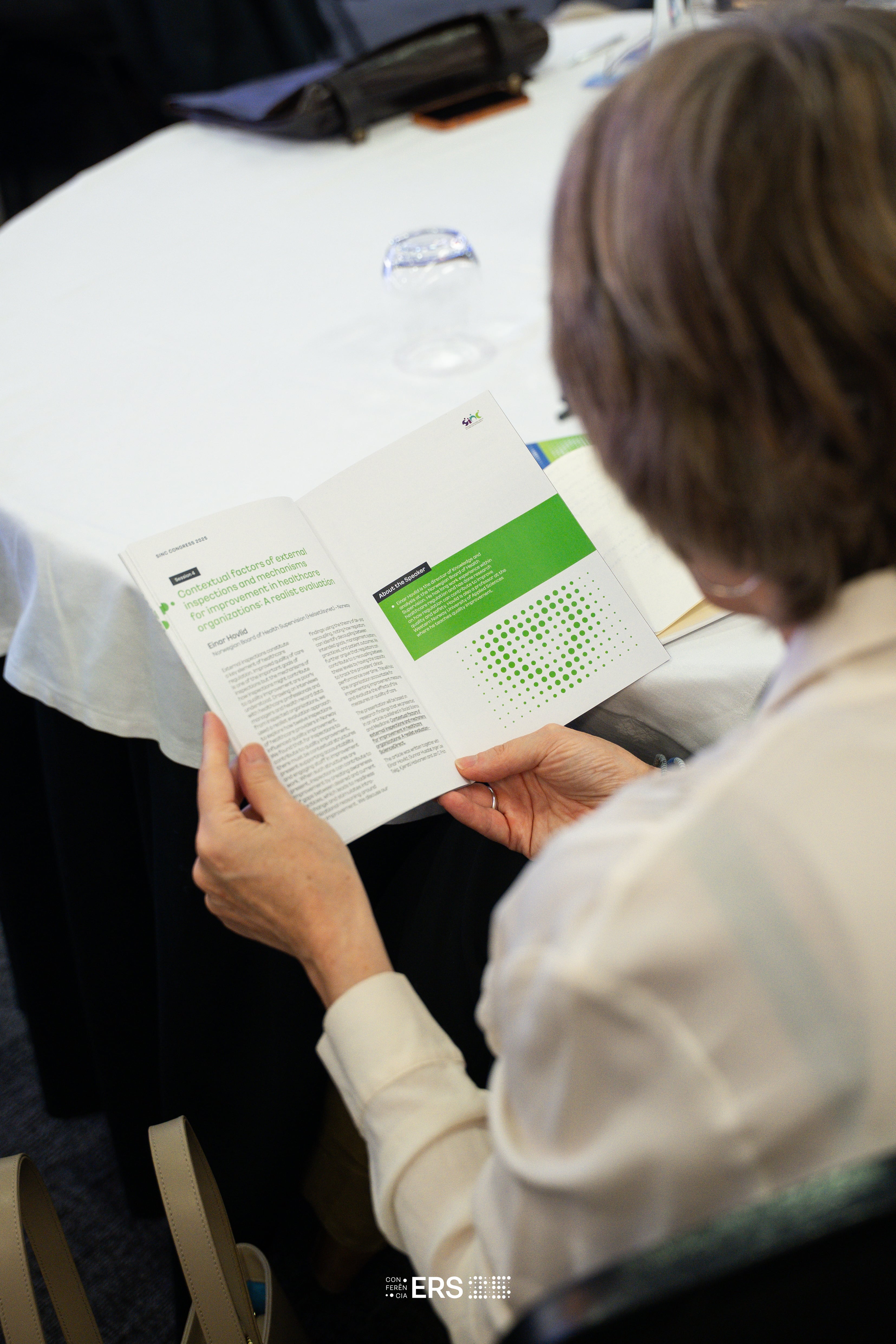
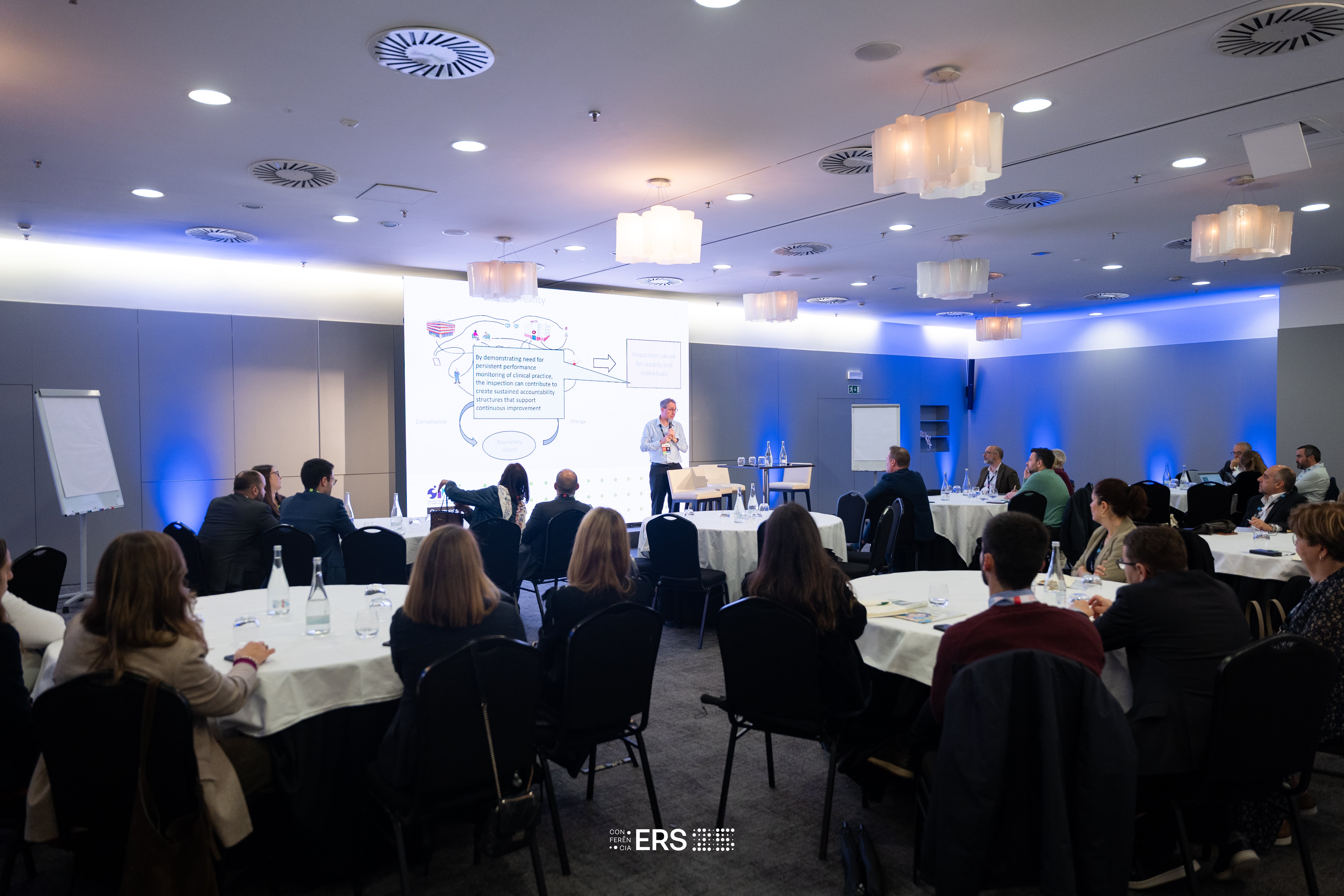
External inspections constitute a key element of healthcare regulation. Improved quality of care is one of the important goals of inspections but the mechanisms of how inspections might contribute to quality improvement are poorly understood. Drawing on interviews with healthcare professionals and managers and health record data from inspected organizations, we used a realist evaluation approach to explore how twelve inspections of healthcare providers in Norway influenced quality improvement. We found that for inspections to contribute to quality improvement, there must be contextual structures present supporting accountability and engaging staff in improvement work. When such structures are present, inspections can contribute to improvement by creating awareness of gaps between desired and current practices, which leads to readiness for change and stimulates intra-organizational reasoning around quality improvement. We discuss our findings using the theory of de- and recoupling, noting how regulators can identify decoupling between intended goals, management systems, practices, and patient outcomes. We further argue that regulators can contribute to a recoupling between these levels by having the capacity to track the providers’ clinical performance over time. This will hold the organization accountable for implementing improvement measures and evaluate the effects of the measures on quality of care.
The presentation will be based on research findings that we presented in an article published in Social Science and Medicine: Contextual factors of external inspections and mechanisms for improvement in healthcare organizations: A realist evaluation - ScienceDirect.
The article was written together with Einar Hovlid, Gunnar Husabø, Inger Lise Teig, Kjersti Halvorsen and Jan C. Frich
Einar Hovlid is the director of Knowledge and analysis at the Norwegian Board of Health Supervision. He has long work experience within healthcare regulation and has done research on how regulation can contribute to improve quality and safety. Hovlid is also a professor at the Western Norway University of Applied Sciences where he teaches quality improvement.
Ana Pinto Borges, Márcia Azevedo, Nuno Silva, Teresa Santos
Portuguese Health Regulation Authority (ERS) - Department of Health Studies and Evaluation & User Department
Knowing your rights as a healthcare user is crucial not only for making informed decisions about your well-being but also for ensuring fair and timely access to healthcare services. When individuals are aware of their rights - such as the right to quality care, access to health information, data protection, and the ability to complain - they are more capable of going through the system and advocating for their needs.
The Portuguese Health Regulatory Authority (ERS) carried out a study to investigate the degree of patient rights literacy among healthcare users and professionals. This study was based on surveys applied to healthcare users (1.010 complete answers) – to assess their understanding of these rights – and to healthcare providers (4.623 complete answers) – to evaluate their ability to communicate and uphold them effectively.
The findings reveal some concerns: while professionals generally demonstrated higher levels of knowledge, there were still significant gaps, particularly among administrative staff. For patients, the situation was more critical, with many unaware of fundamental rights, which may lead to difficulties in accessing timely care, understanding medical procedures, and making informed healthcare decisions.
Education and access to private health insurance emerged as key factors influencing literacy levels. A comparison with data from a previous study developed in 2017 by ERS suggests that awareness has improved slightly, but the progress remains insufficient. Many individuals still face barriers when trying to understand and exercise their rights, which can lead to inequalities in accessing healthcare.
This study underscores the urgent need for improved public education and clearer communication strategies from healthcare institutions. When people understand their rights, they gain trust in the system, can advocate for better care, and contribute to a more efficient and equitable healthcare environment. Ensuring that all individuals, regardless of background, have the knowledge needed to navigate the health system is a crucial step toward a fairer and more effective healthcare system.
Ana Borges
Ana Pinto Borges holds a PhD in Economics from the Faculty of Economics, University of Porto (2009). She has been working at the Portuguese Health Regulatory Authority (ERS) since 2010 and currently serves as a Senior Specialist Technician at the Department of Economic Studies and Regulation, where she is responsible for conducting sectoral studies and issuing technical assessments and advisory opinions on access, quality, and competition in the healthcare sector. Alongside her regulatory role, Ana Pinto Borges is Coordinating Professor at ISAG – European Business School, where she has coordinated the Master’s in Business Management and presided over the Pedagogical Council since 2015. She is Scientific Coordinator of CICET-FCVC, having supervised several PhD and master’s theses. With over 180 scientific publications (including 120 indexed in Scopus/WoS), she is associate editor of the Eurasian Business Review and Review of Marketing Science and founding editor of the European Journal of Applied Business and Management (EJABM). She also leads and co-authors applied research projects funded by companies and municipalities, and is a founding member and organizer of multiple international academic conferences, all with indexation or evaluation by WoS/EBSCO. She has been a member of the Portuguese Health Economics Association since 2005.
Health Regulatory Authority (ERS) - Portugal
António Ferreirinha
Protecting access to quality healthcare, ensuring patients’ rights and providing information, guidance and support to healthcare users and providers are key aspects for the activity of ERS, the Portuguese regulatory authority for healthcare.
Combining these three dimensions allows, on one side, the empowerment of users by reducing the asymmetry of information and continuously improving awareness of their rights and duties, as well as awareness of when healthcare services are functioning well or when there are flaws.
On the providers side, the promotion of literacy on patients’ rights allows preventive guidance to avoid violations by raising awareness of important aspects to ensure regarding patients’ rights and consequently improving the quality of the healthcare providing activity.
From answering frequently asked questions on the website to answering direct information requests via email, through publishing and frequently updating an handbook on patients’ rights and duties, dedicated website areas and streaming live events with debating panels with both users and providers representatives and information sessions in loco, there are many ways to promote literacy on patients’ rights with benefit for the whole healthcare system, both national and internationally, as the development of synergies and partnerships with portuguese and other european entities allows sharing knowledge and information.
António Ferreirinha
Legal Advisor at the User Department – ERS; Graduated in Law by the University of Porto. Masters Degree in Administrative Law by the Universidade Católica Portuguesa. Postgraduated in Healthcare Management by the Católica Porto Business School.
Health Information and Quality Authority (HIQA)
Sean Egan
Sean Egan is the Director of Healthcare Regulation at the Health Information and Quality Authority (HIQA) - Ireland. Sean has over 20 years’ experience in working to improve the quality and safety of healthcare for patients, either through healthcare provision or research in the acute setting, or in more recent years through the monitoring and regulation of healthcare services with HIQA. A Clinical Pharmacist by training and profession, Sean holds graduate and postgraduate qualifications in Clinical Pharmacy (MPharm and MSc) from the University of Nottingham and Trinity College Dublin, Leadership and Quality in Healthcare (HDip) from the RCPI, and Management and Corporate Governance (MSc) from the University of Ulster. He has a keen interest in healthcare quality improvement science and is certified in Lean Six Sigma.
National Supervisory Authority for Welfare and Health (Valvira) – Finland
Petri Huovinen
The reform of regional state administration will bring the central government’s permit, guidance and supervision functions together in a new national agency (Finnish Supervisory Agency). At the same time, new regional Economic Development Centers will be established. The reform aims to improve and harmonise permitting and supervision practices across regions and to streamline processes and services. It is based on the Programme of Prime Minister Orpo’s Government.
The reform will merge the National Supervisory Authority for Welfare and Health (Valvira) and the Regional State Administrative Agencies into a new national agency. The new agency will also take on some of the functions of the Centers for Economic Development, Transport and the Environment (ELY Centers) related to the environment.
The Supervisory Agency is a nationwide and multidisciplinary central government authority that operates in interaction with other state authorities, municipalities, wellbeing services counties, business life, and civic activities. The agency employs approximately 2,000 people and operates in a customer-oriented manner, across administrative boundaries, utilizing multiprofessional expertise. The agency’s main office will be in Tampere.
Smooth customer service and efficient internal processes are key principles of the agency’s operations. The Supervisory Agency will commence operations at the beginning of 2026.
The President of the Republic of Finland confirmed the legislation underlying the reform on June 27, 2025.
Petri Huovinen
Master of social sciences from the University of Helsinki. He has been working in the the National Supervisory Authority for Welfare and Health (Valvira) since 2012 and his current position is Head of Development.
He is responsible for strategy development, organizational and process development & digitalization, knowledge management development, project portfolio management, risk management and enterprise architecture within the organization.





309 309 309
(Chamada para rede fixa nacional)
(9h - 17h30)

222 092 350


Rua S. João de Brito, 621 L32
4100-455 Porto


